Home / What We Do
PAWT enhances community resilience by equipping individuals with skills, fostering sustainable livelihoods, and creating opportunities that reduce poverty and promote economic self-reliance in underserved and crisis-affected areas.
Clean water, proper sanitation, and good hygiene practices are the backbone of public health and sustainable living. At Pak Aid Welfare Trust, we are committed to ensuring that every individual, regardless of background or geography, has access to the essential resources and awareness needed to live in safe and hygienic conditions.
These challenges extend beyond immediate health concerns, they disrupt education, limit economic productivity, and weaken the long-term resilience of vulnerable communities.
These key figures demonstrate our commitment to improving WASH across Pakistan. Each number represents households reached, hygiene practices promoted, and communities strengthened through your support.
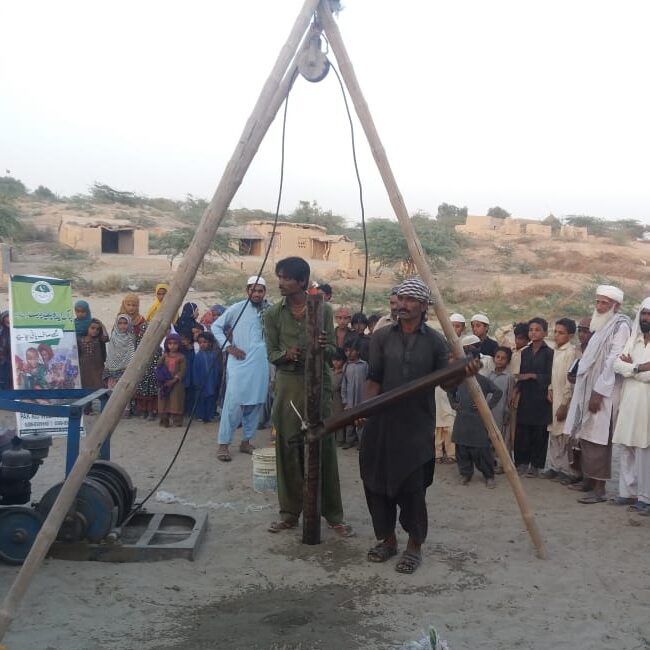
Mahboob Ali, from a village community of around 70–80 households, has been facing severe shortage of clean drinking water for many years. Residents of 7–8 nearby villages are forced to travel 3 to 4 kilometers daily, using camels and donkeys, just to fetch water, causing great hardship. He has humbly reached out to Pak Aid Welfare Trust, requesting support for a clean water project to ease the suffering of his community. Mahboob Ali expresses hope and trust in Pak Aid Welfare Trust, and appeals to generous donors to help provide access to safe and clean drinking water for their villages.

We expand access to safe water, sanitation, and hygiene for every household. Through community programs and outreach, we help families adopt healthy practices and prevent disease. By promoting sustainable WASH solutions and hygiene education, we empower communities to thrive today and build resilience for the future.
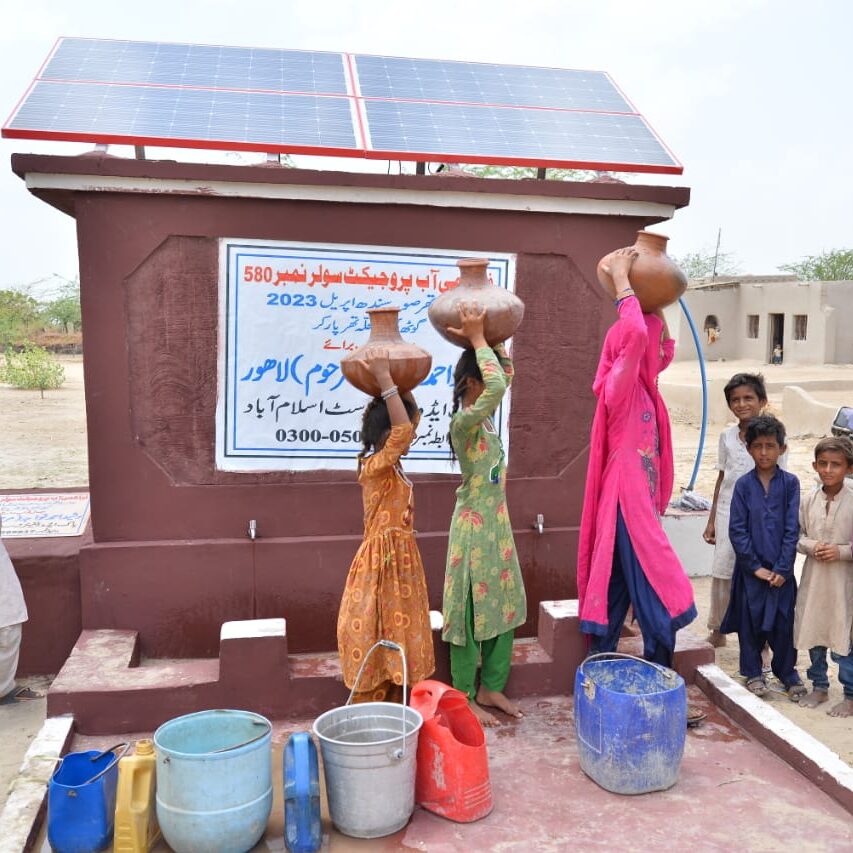
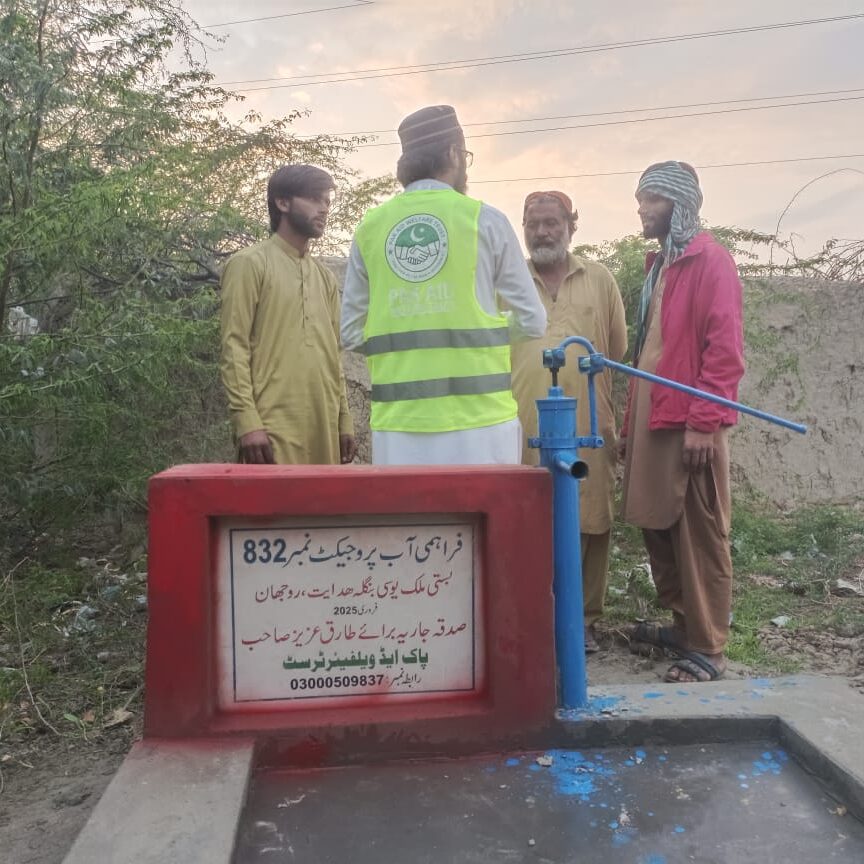
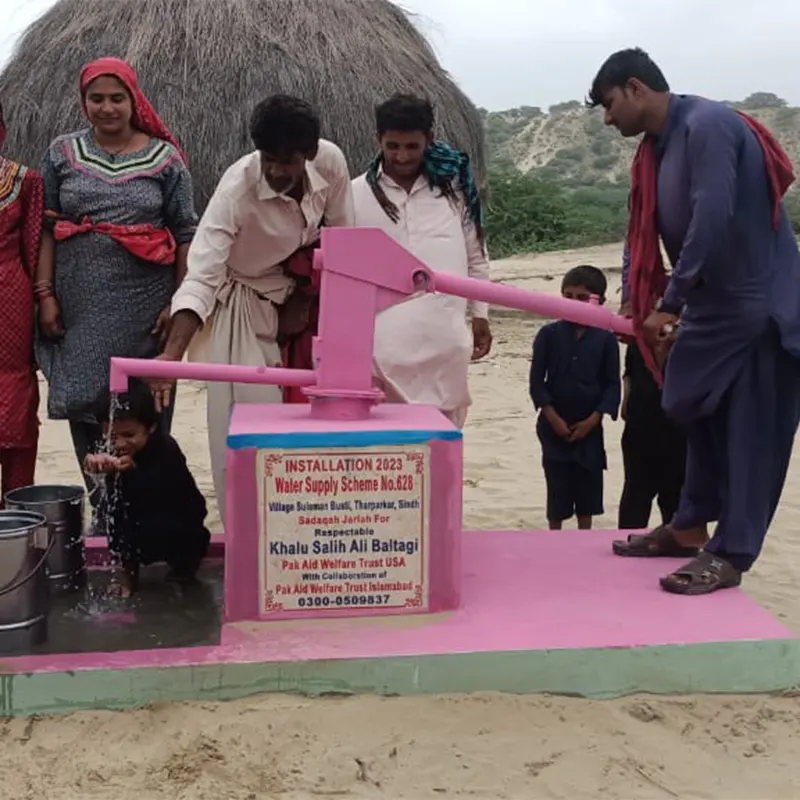
Provides communities with reliable access to clean and safe drinking water to prevent waterborne diseases and improve overall health.
Installs sustainable filtration and gravity-fed water systems to ensure long-term access to safe, potable water in underserved areas.
Constructs hygienic toilets and sanitation infrastructure to reduce open defecation and promote safe waste management practices.
Educates communities on proper hygiene practices and implements vector control measures to prevent disease outbreaks.
Establishes safe water, sanitation, and hygiene facilities in educational and religious institutions to protect health and support learning.